
Diagnostics, , 2 min read
Acoustic leak detector in action: how we now find hidden leaks in Batumi
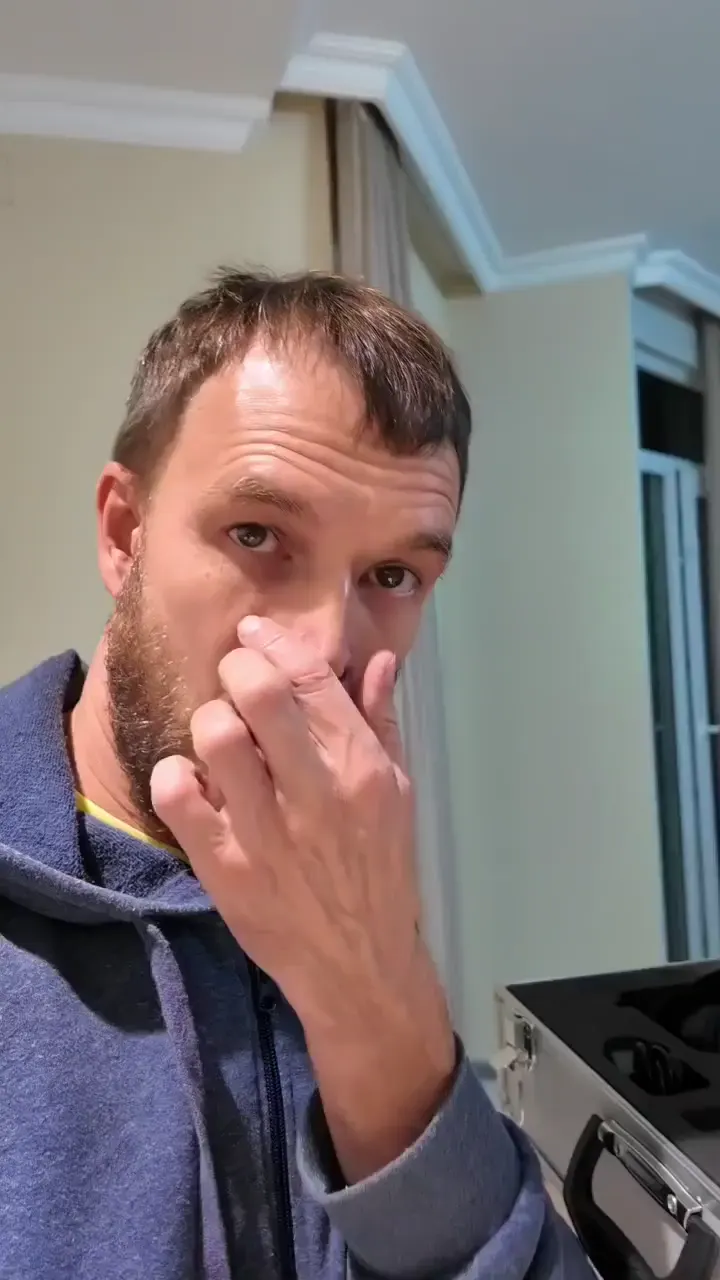 Watch on Telegram (1:00)
In a short video I showed off the new kit: an acoustic leak detector for pinpointing hidden leaks in pipes and screeds.
Below is an honest breakdown of the physics, the numbers and the rates.
What changed in equipment and results
Until now we pinpointed up to 85% of all failures and leaks with our standard kit: thermal imagers, scanners and moisture meters. This works well on warm floors, heating systems and obvious cold bridges.
But the remaining 15% of hard cases stayed:
Cold water supply deep under tile or screed, where the temperature difference is minimal.
Runs with no clear thermal trace, where the leak hisses but the surface looks the same.
Previously in such cases we had to call outside specialists with acoustic equipment. Their terms were strict:
200 GEL - per confirmed noisy leak point.
70 GEL - for the visit and pressure testing of the circuit, even if the spot could not be located.
For the client this meant two call-outs, lost time and extra costs.
Now that is solved.
We have a professional acoustic leak detector kit in our arsenal: a highly sensitive geophone, an internal contact sensor and narrow-band frequency filtering that cut out construction noise and pick up micro-leaks right through concrete.
Transparent rates with no hidden conditions
We arrive on site fully equipped: thermal imager, scanners, pressure tester and acoustics.
No second crews and no stretching the job over weeks.
150 GEL - base visit and full instrument survey of the property (thermal imaging diagnostics, moisture meters, scanning).
+150 GEL (instead of 200 at outside firms) - adding acoustic search with confirmation and pinpointing of a hidden noisy leak.
100 GEL - for the visit and full instrument diagnostics in the rare case when the damage cannot be located acoustically (for example, a slow seep with no cavitation noise).
Why 100 GEL if nothing is found?
We don't guess by eye.
Hauling the full set of heavy measuring equipment, carrying it up, connecting scanners, thermal imagers and acoustics, listening to every node and pressure testing takes 1.5-2 hours of intensive engineering work. We do the most that is physically possible with the instruments.
This post first appeared on the WindowFix Telegram channel. Open the post on Telegram
Dealing with something similar?
A technician comes with a thermal camera, finds the cause and tells you what needs fixing and what can stay as it is.
We reply on Telegram within 5 minutes during business hours